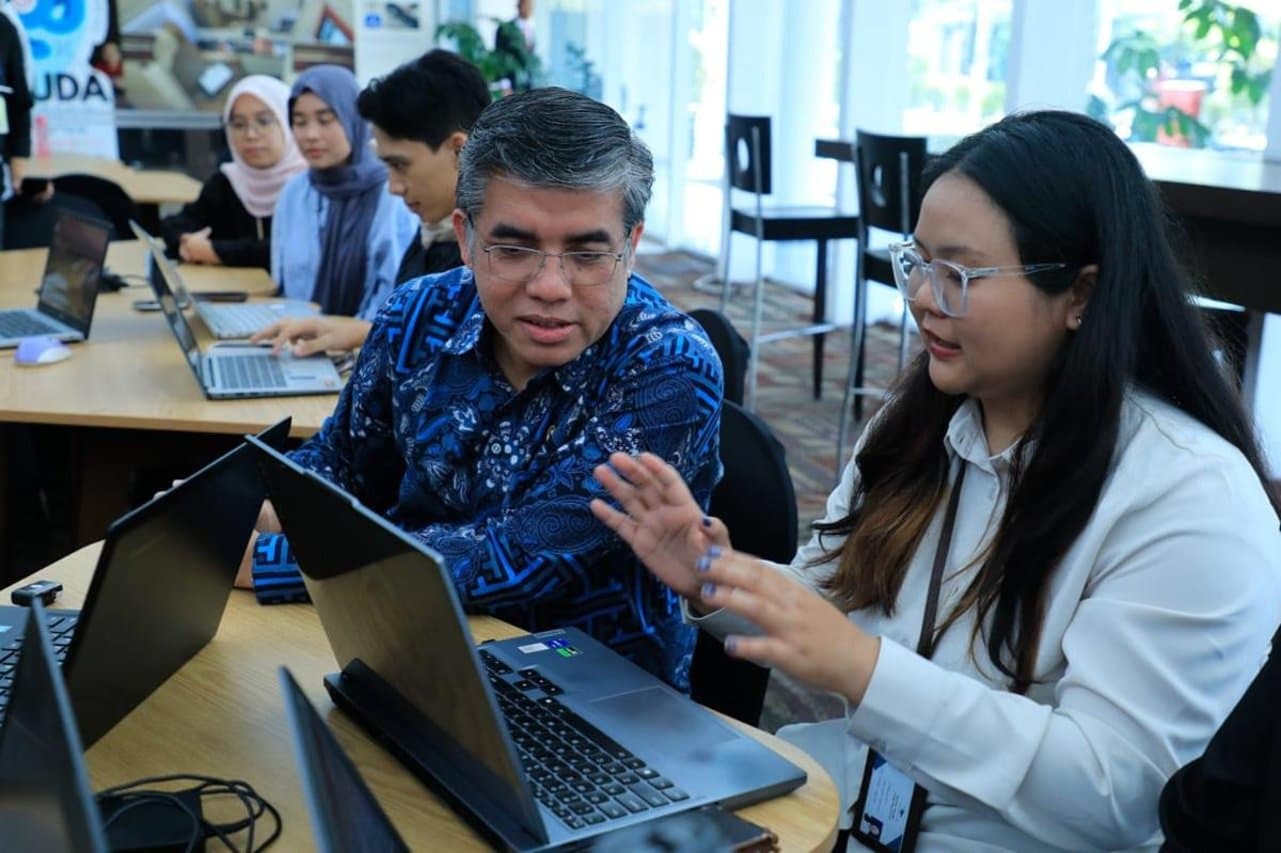
![[OPINI] Young Indonesians Push for Structural Change Amid August Protests](/_next/image?url=https%3A%2F%2Fvwynfrwyvpfhhbnqvcjd.supabase.co%2Fstorage%2Fv1%2Fobject%2Fpublic%2Fkawula17-assets%2Fimg%2Fartikel-opini-young-indonesians-push-for-structural-change-amid-aug-cover.jpg&w=3840&q=75)
The voices of young people in Indonesia have been growing louder in demanding actual change in the way the country is governed, as evidenced by PP17’s recent Quick Poll on September 6, 2025. It is clear that they are no longer satisfied with promises or symbolic gestures of reform; they want thorough reforms, transparency, and justice that can be genuinely felt in their daily lives, with 62% in support of thorough reforms. For them, change is not just a slogan but a necessity for a better future. The data from recent research indicate that the issues considered priorities have expanded beyond daily economic needs to address the root of systemic problems, including institutional and governance reforms, especially the reform of the House of Representatives or Dewan Perwakilan Rakyat (DPR) (27%). This signals a growing political awareness among the younger generation. Similar findings to the Kawula17 National Benchmark Survey (NBS) for the 1st semester of 2025, which show that the progressiveness of young people extends beyond their political preferences. Instead, it reflects their active role in driving social change toward greater justice and equality.
According to the NBS 1st semester 2025 survey, most young Indonesians prioritise a comprehensive reform of the DPR as their top demand, with 27% naming it the most critical priority. They believe the legislative body must be overhauled to become more transparent, accountable, and truly representative of the people’s voice. In addition, the rising cost of living and basic goods has become an urgent concern (16%), reflecting anxiety over the growing economic burden. The increasing cost of living (26%) and basic goods (31%) are also a concern and are considered a major challenge for young people. This is followed by eradicating corruption institutionally, not just targeting individuals (10%), and ensuring that government policies truly reflect the people's needs (14%). This combination of demands indicates that young people are not seeking superficial improvements, but rather structural changes that can create a fairer and more responsive system.
Once these urgent issues are addressed, young people also want attention given to matters often seen as secondary, but which are essential for sustaining democracy. For example, they advocate for honorary teachers to receive decent wages (32%) and they call for state budget spending to be transparent and accessible to the public (21%). They also emphasise the importance of strict oversight of law enforcement to prevent abuse of power (46%). Furthermore, NBS (2025) data shows how the government needs to guarantee freedom of speech and expression (44%).
Young Indonesians envision a country that is democratic, transparent, fair, and sustainable. The program manager of Kawula17, Maria Angelica, notes that: “To meet this vision, the government must curb living costs, root out systemic corruption, ensure genuine public participation, protect workers’ rights, and strengthen oversight of spending and the police.” Past Kawula17 surveys, including the NBS (2025), indicate that many of these problems are not new but have persisted over time, and in some cases, have worsened. “This underscores the urgent need for the Indonesian government to move beyond rhetoric and implement real change,” concludes Maria Angelica.
Further report of the 1st Semester of 2025 of the National Benchmark Survey can be accessed here. If you wish to read our Quick Poll survey, please get in touch with us at info@kawula17.id.
![[ARTIKEL] Learning from Unlearning: Memb](/_next/image?url=https%3A%2F%2Fvwynfrwyvpfhhbnqvcjd.supabase.co%2Fstorage%2Fv1%2Fobject%2Fpublic%2Fkawula17-assets%2Fimg%2Fimages-45.jpg&w=3840&q=75)
![[OPINI] Apa Itu Moderasi Konten dan Kena](/_next/image?url=https%3A%2F%2Fvwynfrwyvpfhhbnqvcjd.supabase.co%2Fstorage%2Fv1%2Fobject%2Fpublic%2Fkawula17-assets%2Fimg%2Fyoutube-removed-1400x825.jpg&w=3840&q=75)

![[RILIS PERS] Penilaian dan Keyakinan Ora](/_next/image?url=https%3A%2F%2Fvwynfrwyvpfhhbnqvcjd.supabase.co%2Fstorage%2Fv1%2Fobject%2Fpublic%2Fkawula17-assets%2Fimg%2Fwhatsapp-image-2026-08-05-at-18-23-23.jpeg&w=3840&q=75)